It depends on what kind of return you are buying. If you want monthly cash flow, Oakville is a hard place to make the numbers work: rents are strong, but prices are high, so gross yields run from about 2.4 percent on a detached home to about 4.4 percent on a condo apartment, and the net yield after tax, fees and vacancy is closer to 1 to 2 percent before a mortgage payment. If you want a stable, low-vacancy asset in a town where homes sell in 37 days at 95 percent of asking, Oakville is a good place to invest — provided you buy the right type of property, budget for the costs landlords forget, and plan to hold for years rather than months. The investment case here is appreciation and mortgage paydown, not rent covering the mortgage.
The October 2026 numbers: what you buy, and what it rents for.
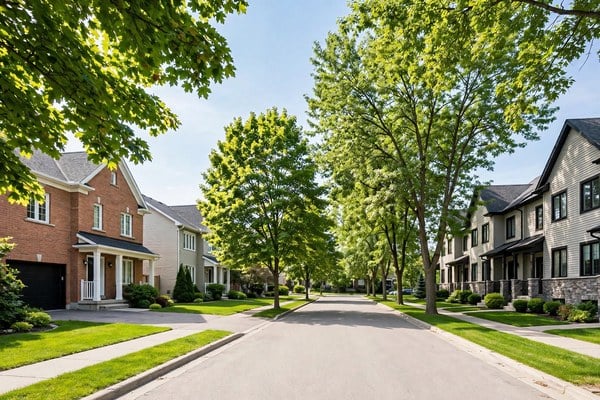
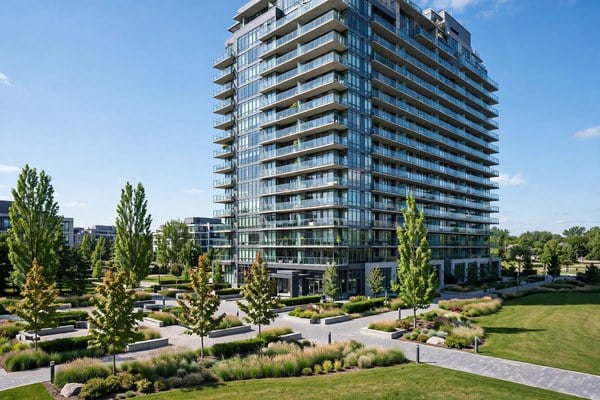
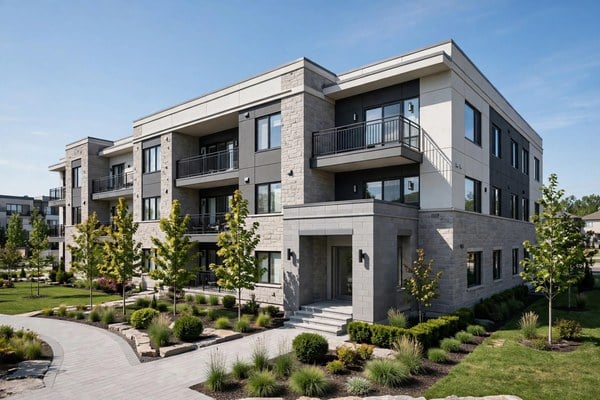
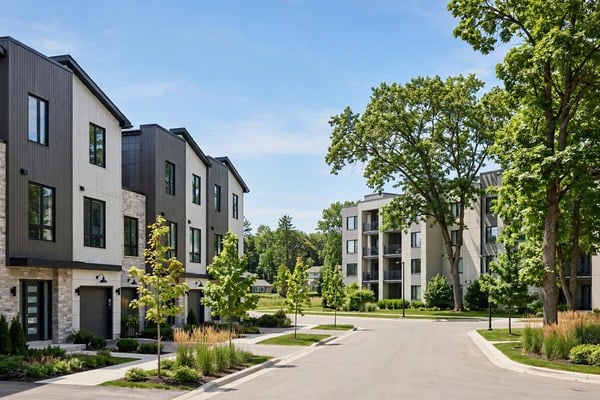
Oakville recorded 191 sales in October 2026 at an average of $1,383,011 and a median of $1,220,000, with 531 new listings, 1,025 active listings, 37 days on market and 95 percent sale-to-list. By type, a detached home averaged $1,833,285, a freehold townhouse averaged $977,899, and a condo apartment averaged $677,274. Condos are the softest segment — the benchmark sits at $537,300, down 7.7 percent year over year, with 34 sales taking 51 days — which means the most negotiating room for a buyer is at the lower end of the market. On the rental side, the Fisher Group's 2026 lease book covers 69 leases, and the 22 Oakville leases in it run from $2,300 to $5,800 a month, with a median of $3,625. Typical examples: a detached home in Oakville rents for about $3,200 to $3,625 a month, and a condo apartment for about $2,500. Demand is real — those leases were signed across the year, not just in the spring rush — but compare the rent to the price and the picture is clear: Oakville tenants pay well, and Oakville sellers charge more.
The yield math, worked honestly.
Take a condo apartment at the October average of $677,274, rented at $2,500 a month — $30,000 a year, a gross yield of 4.4 percent. Now subtract the costs: a maintenance fee of about $648 a month (the Oakville median), property tax of about $5,763 a year at the town's 2026 residential rate of 0.850960 percent, insurance of about $400, a one-month vacancy allowance of $2,500, and about $1,000 for repairs. The net is about $12,561 a year — a net yield of roughly 1.9 percent, before any mortgage payment. Note the tax figure is an illustration at the full rate on the purchase price; Ontario still assesses homes on their January 1, 2016 value, so the actual bill is usually lower — always check the real tax bill before you buy. A freehold townhouse does better, because there is no monthly fee. At the October average of $977,899, rented at $3,000 a month, gross rent is $36,000 a year — a 3.7 percent gross yield. After property tax of about $8,322, insurance of about $1,200, maintenance of about $2,500 and a one-month vacancy allowance of $3,000, the net is about $20,978 — roughly 2.1 percent. A detached home at $1,833,285, rented at the Oakville median of $3,625 a month, grosses $43,500 a year — only 2.4 percent — and after tax of about $15,601, insurance, maintenance and vacancy, the net is about $18,474, or roughly 1.0 percent. Then comes the mortgage. On that condo, 20 percent down leaves a mortgage of about $541,819; at an illustrative 4.5 percent over 25 years, the payment is about $3,012 a month — more than the $2,500 rent, before the fee. The Bank of Canada raised its policy rate by 25 basis points to 2.5% on October 28, 2026, so mortgage approvals are being tested against today's rates, not the lower rates of a year ago. On the townhouse, the same terms give a payment of about $4,348 a month against $3,000 of rent. In other words, at today's prices and rates, an Oakville rental bought with a mortgage is usually cash-flow negative month to month, and the investor's return comes from the tenant paying down the principal, from rent rising over time, and from the property gaining value. That is a legitimate strategy — it is how most Oakville landlords actually make money — but it is not passive income, and anyone selling it as such is not showing you the full spreadsheet.
The costs landlords forget.
Three costs catch first-time investors out. First, land transfer tax on the purchase: about $10,020 on a $677,274 condo, about $16,033 on a $977,899 townhouse, and about $33,141 on a $1,833,285 detached home — paid up front, in cash, on top of the down payment. Second, vacancy and turnover: budget for at least one empty month a year, plus cleaning, minor repairs and re-leasing costs between tenants, and remember that a good tenant who stays three years is worth more than a slightly higher rent from a tenant who leaves in twelve months. Third, the rules: Ontario's Residential Tenancies Act governs rent increases, evictions and maintenance obligations, and units first occupied after November 15, 2018 are exempt from the annual rent-increase guideline while older units are not — so the age of the building changes your rent-growth math. If you buy a tenanted home, the tenant comes with the house, and selling later means working around their rights. Mortgage interest, property tax, insurance and maintenance are generally deductible against rental income, but confirm the details with your accountant before you rely on them.
Who should not buy in Oakville, and who should.
Two groups should look elsewhere. Non-Canadian buyers face the federal ban on purchasing residential property, currently in force until January 1, 2027, with Ontario's 25 percent Non-Resident Speculation Tax on top for purchases that are permitted — check the current rules with a lawyer before assuming either will have changed by your closing date. And anyone who needs the rent to cover the mortgage from day one should look at a cheaper market or a larger down payment, because Oakville's numbers do not produce that outcome at standard financing. The buyers who do well in Oakville are the ones with a long horizon and a cash cushion: a local owner who buys a condo or townhouse at a negotiated price in the softest segment, puts down 25 to 35 percent, and holds for seven to ten years; a homeowner who keeps a first home as a rental when they move up, because the purchase costs are already sunk; or a family buying a second unit with a legal basement apartment, where two rents change the yield entirely. In all three cases the same discipline applies: buy below the average where you can, verify the rent with real comparables rather than a listing promise, and keep six months of carrying costs in reserve. A market with 1,025 active listings and 95 percent sale-to-list rewards a patient buyer, and punishes a rushed one.
Frequently asked questions
Q: What is the rental yield on an Oakville condo?
A: At the October 2026 average price of $677,274 and a typical rent of $2,500 a month, the gross yield is about 4.4 percent. After the maintenance fee, property tax, insurance, vacancy and repairs, the net yield is roughly 1.9 percent before any mortgage payment.
Q: What is the rental yield on an Oakville detached home?
A: About 2.4 percent gross and roughly 1.0 percent net. A detached home averaged $1,833,285 in October 2026 and rents for about $3,625 a month at the Oakville median, but property tax alone runs to about $15,601 a year at the 2026 rate, which eats most of the rent.
Q: Does rent cover the mortgage on an Oakville investment property?
A: Usually not at today's prices and rates. On a $677,274 condo with 20 percent down, the mortgage payment at an illustrative 4.5 percent over 25 years is about $3,012 a month, against rent of about $2,500 — before the condo fee. The return comes from principal paydown, rising rents and appreciation, not from monthly cash flow.
Q: What does property tax cost on an Oakville rental?
A: Oakville's 2026 residential rate is 0.850960 percent of assessed value — about $5,763 a year on a $677,274 condo, $8,322 on a $977,899 townhouse and $15,601 on a $1,833,285 detached home, if assessed at the purchase price. In practice the bill is usually lower, because Ontario still assesses homes on their January 1, 2016 value — always check the actual tax bill.
Q: Can a foreign buyer invest in Oakville real estate?
A: Not freely right now. The federal ban on non-Canadians buying residential property is in force until January 1, 2027, and Ontario adds a 25 percent Non-Resident Speculation Tax on purchases that are permitted. Check the current rules with a lawyer before relying on either date or rate.
Q: Is a townhouse or a condo the better Oakville investment?
A: A freehold townhouse usually yields more than a condo apartment, because there is no monthly maintenance fee: about 2.1 percent net on a $977,899 townhouse at $3,000 a month rent, versus about 1.9 percent net on a $677,274 condo at $2,500 a month. Condos are cheaper to enter and currently offer the most negotiating room, but the fee is a permanent cost that rises over time.
Talk to The Fisher Group.
Investing in Oakville real estate works when the numbers are done honestly — purchase price, rent, tax, fees, vacancy and financing, all on the same page, before an offer is written. If you are weighing an Oakville investment property, contact Fisher Yu at The Fisher Group, Royal LePage Real Estate Services Ltd., Brokerage, for a no-obligation review of the yield on a specific property. Call 647-598-8488, email [email protected], or visit 231 Oak Park Blvd, Unit #400 A, Oakville.