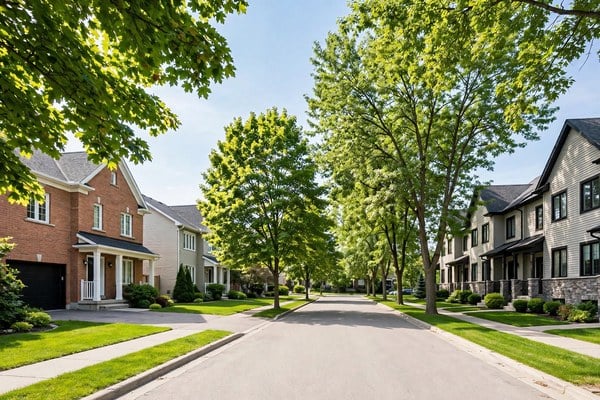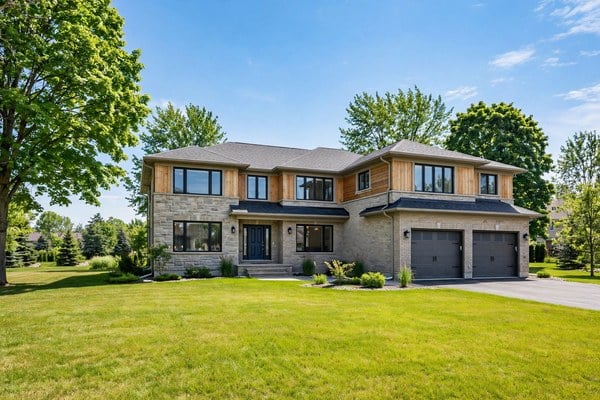
Direct answer: Upsizing in Oakville means paying the gap between your current home and the next one — not the full price of the bigger home. From a freehold townhouse average of $977,899 to a detached average of $1,833,285, the gap is about $855,000, before selling and buying costs and before any mortgage on the home you already own. The real decision in upsizing in Oakville is order: sell first, or buy first. Sell first and you know your money, but you may need a place to live between closings. Buy first and you move once, but you carry two homes until the first one sells. Bridge financing covers the gap between the two closings.
The gap: what moving up actually costs
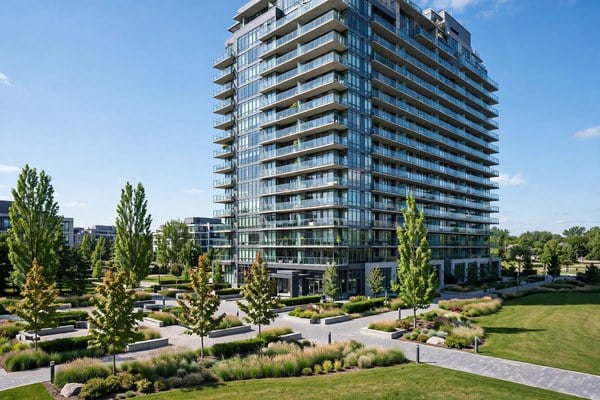
Start with the October 2026 averages. Oakville detached homes averaged $1,833,285. Freehold townhouses averaged $977,899. Condo apartments averaged $677,274. The overall Oakville average was $1,383,011, with a median of $1,220,000.
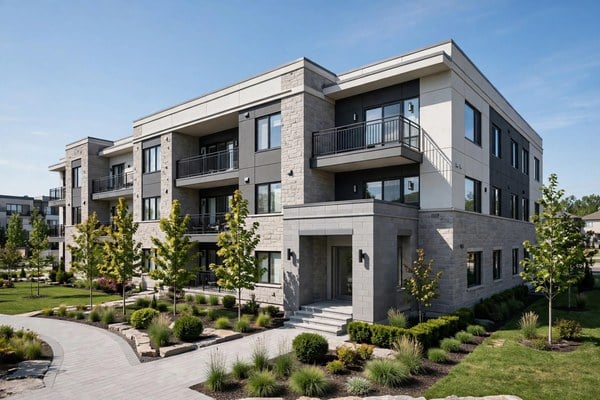
The gap is the difference between two averages. The figures below are illustrations using the October averages, not quotes for any specific home: Condo apartment to detached: $1,833,285 minus $677,274 — a gap of about $1,156,000. Freehold townhouse to detached: $1,833,285 minus $977,899 — a gap of about $855,000. Semi-detached to detached: $1,833,285 minus $887,400 — a gap of about $946,000.
The gap is not the amount you need in cash. Your current home has equity. The cash you need is the gap, minus your equity, plus selling costs on the first home and buying costs on the second. Selling costs include legal fees, and buying costs include land transfer tax. On the October overall average of $1,383,011, Ontario land transfer tax is $24,135, and Oakville has no extra municipal land transfer tax. Work the numbers before you look at homes. A buyer who knows the gap and the equity knows the price range. A buyer who starts with listings and works backwards usually finds the gap too late.
Sell first or buy first
Sell first. You sell, you know the price, you know the closing date, and you buy with a firm budget. The risk is timing. The sale closes before the purchase does, and you need somewhere to live in between. Some sellers rent back from the buyer. Some move in with family. Some rent short term. Each option costs money or comfort.
Buy first. You find the bigger home, you buy it, and you move once. The risk is carrying two homes. Your money is tied up in the first home until it sells. If it takes longer than expected, you pay two mortgages, two insurance bills, and two sets of utilities. Oakville averaged 37 days on market in October 2026, at 95% of list price. That average helps the buy-first decision: a well-priced home sells in about five weeks. But an average is not a promise. Your home's timeline depends on its type, price, and condition.
The choice depends on three things: how much equity you have, how much cash you can hold in reserve, and how flexible your moving date is. Strong equity and strong reserves favour buy first. Tight cash favours sell first.
Bridge financing
Bridge financing is a short-term loan that covers the period between buying the new home and selling the old one. The lender advances money against the equity in your current home. You repay it when the sale closes. It costs more than a regular mortgage. The interest rate is higher, and the term is short — usually weeks to a few months. The lender wants to see a firm sale agreement on your current home before approving it. A conditional sale is usually not enough.
Bridge financing suits a buyer who has found the right home and has a firm sale on the current one, with the two closing dates a few weeks apart. It does not suit a buyer whose current home is not yet listed. Related reading: Bridge financing: how to buy before you sell in Oakville
The stress test still applies
Upsizing means a bigger mortgage. The new mortgage is tested at the qualifying rate, not the rate you will actually pay. The test uses the contract rate plus 2%, or 5.25%, whichever is higher. The Bank of Canada raised its policy rate 25 basis points to 2.5% on October 28, 2026. Higher rates mean a higher qualifying rate, and a lower maximum mortgage. That affects upsizers directly: the gap you can afford shrinks when rates rise. Check your borrowing capacity before you shop. A mortgage pre-approval tells you the maximum. It also tells you the monthly payment at today's rates. Both numbers matter. The maximum tells you what you can buy. The payment tells you whether you want to.
Timing in this market
October 2026 had 1,025 active listings in Oakville and 531 new listings in one month. Supply is there. Oakville averaged 37 days on market. The sale-to-list ratio was 95%. For an upsizer, that market cuts both ways. Your current home sells at 95% of list in about five weeks, if it is priced right. The home you buy is also priced in the same market. You are selling and buying in the same conditions. The gap between the two prices matters more than the direction of the market.
One timing point matters most. List your current home before you make a firm offer on the next one, unless you can carry both. An offer conditional on the sale of your home is weaker than a firm offer. In a market with 1,025 competing listings, sellers choose the cleaner offer.
What to do first
- Get a current value on your home. A comparative market analysis, not an online estimate.
- Work out your equity: value minus the remaining mortgage.
- Get a mortgage pre-approval for the bigger home. Know the maximum and the monthly payment.
- Decide the order: sell first or buy first. Decide it before you tour homes.
- Talk to your lawyer about closing dates. The two closings need to line up, or bridge financing needs to cover the gap.
An upsizer who does these five steps knows the gap, the budget, and the order. The rest is finding the home.
Frequently asked questions
Q: How much does upsizing in Oakville cost?
A: The cost is the gap between the two homes, minus your equity, plus selling and buying costs. As an illustration using October 2026 averages, the gap from a freehold townhouse ($977,899) to a detached home ($1,833,285) is about $855,000. From a condo apartment ($677,274) to a detached home, the gap is about $1,156,000. Your equity and your costs change the cash you actually need.
Q: Should I buy first or sell first when upsizing in Oakville?
A: Sell first if your cash is tight — you know your money before you commit. Buy first if you have strong equity and reserves, and you want one move instead of two. Oakville averaged 37 days on market in October 2026, so a well-priced home sells in about five weeks, but that is an average, not a promise for your home.
Q: What is bridge financing, and do I need it for upsizing in Oakville?
A: Bridge financing is a short-term loan against the equity in your current home. It covers the period between buying the new home and selling the old one. You usually need it only if you buy first and the two closing dates do not line up. Lenders usually want a firm sale agreement on your current home before they approve it.
Q: Does the mortgage stress test apply when upsizing in Oakville?
A: Yes. The new, larger mortgage is tested at the qualifying rate — the contract rate plus 2%, or 5.25%, whichever is higher. The Bank of Canada raised its policy rate to 2.5% on October 28, 2026, which raises the qualifying rate and lowers the maximum mortgage. Get a pre-approval before you shop.
Q: How long will it take to sell my current home?
A: Oakville averaged 37 days on market in October 2026, at 95% of list price. Detached homes were the largest segment, with 106 sales at an average of $1,833,285. A well-priced, well-prepared home sells faster than the average. An overpriced home sells slower.
Q: Can I upsize without selling my current home?
A: Yes, if you can carry both mortgages and pass the stress test on the new one. Some upsizers keep the first home as a rental. That changes the math: the rental income counts toward qualifying, but the lender will discount it, and you take on landlord costs. Talk to your mortgage professional before you decide to hold instead of sell.