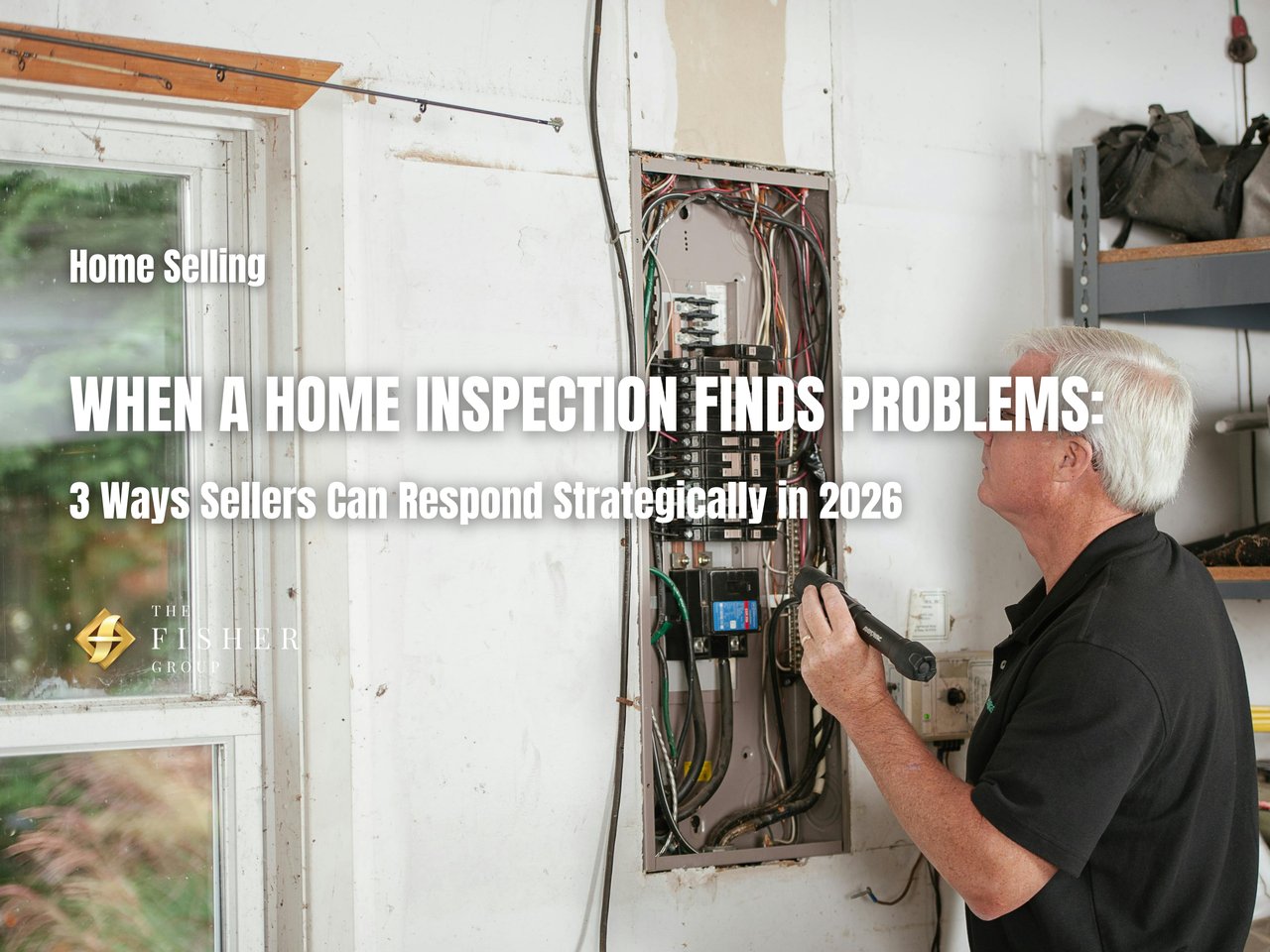
When a Home Inspection Finds Problems:
3 Ways Sellers Can Respond Strategically in 2026
In the current GTA housing market, home inspection is no longer just a technical step.
It is often a second round of negotiation.
Even after an offer is accepted, buyers may use the inspection report to revisit price, request repairs, or test the seller’s flexibility.
Understanding how to respond strategically can protect both your deal and your bottom line.
1. Agree to Complete Repairs
If issues are legitimate — especially safety-related or structural — agreeing to fix them is often the most efficient solution.
Examples:
Roof damage
Plumbing leaks
Electrical concerns
HVAC servicing
Mold or moisture issues
When this makes sense:
The issue is real and material
The cost is manageable
It protects the transaction from collapsing
However, sellers should always:
Obtain proper repair quotes
Clarify scope of work
Confirm whether re-inspection is required
Never agree blindly without understanding the true repair cost.
2. Offer a Price Reduction
Instead of managing contractors, many sellers choose to negotiate financially.
This can involve:
A price reduction
A repair credit (if permitted by lender)
This option is often cleaner and keeps closing on track.
But here’s the key:
👉 Understand the real repair cost first.
Buyers sometimes request credits based on inflated assumptions.
A $500 fix should not become a $5,000 concession.
Professional quotes matter.
3. Mutual Release (Walk Away)
In some cases, negotiations break down.
If an agreement cannot be reached during the conditional period, both parties may sign a Mutual Release, cancelling the transaction.
This is usually considered when:
The buyer’s demands are unreasonable
The seller believes another buyer would accept the condition
The market remains strong
While no one wants a deal to collapse, sometimes protecting long-term value is more important than forcing a bad negotiation.
Why Inspection Is a Second Negotiation
In balanced or softer markets, inspections often reopen price discussions.
Sellers should approach this stage with a calm and strategic mindset:
Be flexible on legitimate issues
Push back on unreasonable demands
Separate emotional reactions from business decisions
A successful outcome depends on understanding leverage.
How Sellers Can Prepare in Advance
The best way to win inspection negotiations is preparation.
1. Do a Pre-Listing Inspection
Identify issues before buyers do.
Fix small problems early, or price accordingly.
2. Maintain the Property Regularly
Routine servicing of HVAC, roof, plumbing, and electrical systems prevents surprises.
3. Work With an Experienced Negotiator
Inspection negotiation is not about arguing — it is about protecting value while preserving the deal.
An experienced real estate professional understands:
Which issues matter
What typical repair costs are
When to concede
When to stand firm
Final Thought
In today’s market, inspections are rarely about the inspection itself.
They are about leverage.
The sellers who navigate this stage successfully are the ones who:
- Stay informed
- Understand real repair costs
- Respond strategically
- Work with strong negotiators
If you're preparing to sell in Oakville or the surrounding GTA West area, being proactive can make all the difference.